Next time you’re in Europe, instead of wine tasting, try sampling freshly pressed olive oils. Tours are fascinating, imparting production techniques and how they vary by region. The Mediterranean diet champions health benefits of olive oil. This garnered popularity for the golden elixir catapulting annual sales abroad to $14 billion. On a recent visit to Europe, I toured facilities in Castellammare del Golfo, Italy and Provence, France. They were two distinct yet equally rich sensory experiences rooted in tradition. I would recommend both. Baglio Florio Adamo This farm is a few miles inland from Sicily’s NW coast. Olive olio is deeply tied to the land and family history. Our guide was Vincenzo, the fifth generation running the vineyard/orchard. He hosts both wine and olive oil tours. His laidback demeanor mirrors the tranquil setting. Visitors meet at Vincenzo’s ancestral farmhouse, and hop in his well-loved Volvo to tour rugged acres. Throughout the drive, he peppers the conversation with facts. Each tree yields approximately three gallons of oil. They are pruned by hand. Olives are picked in September. In Sicily the government provides subsidies to olive oil farmers due to the lucrative industry. Because of this, Baglio Florio Adamo planted 2,500 new trees. These thrive alongside massive, knotted counterparts, some reaching triple digits in age. Walking the groves, Vincenzo explains the importance of clipping male tree branches, allowing female shoots to thrive. Horses graze the land and sweet dogs assist the nearby plowing farmers. Afterwards, guests return to the tasting room. The host pours a small amount of olive oil pressed in 2023 and 2024 into individual glasses. Vacationers are instructed to take a small sip, then swirl it in their mouth before swallowing. Even untrained palates can detect the distinction. Olive oil is quite strong drank straight, but this
Next time you’re in Europe, instead of wine tasting, try sampling freshly pressed olive oils. Tours are fascinating, imparting production techniques and how they vary by region. The Mediterranean diet champions health benefits of olive oil. This garnered popularity for the golden elixir catapulting annual sales abroad to $14 billion. On a recent visit to
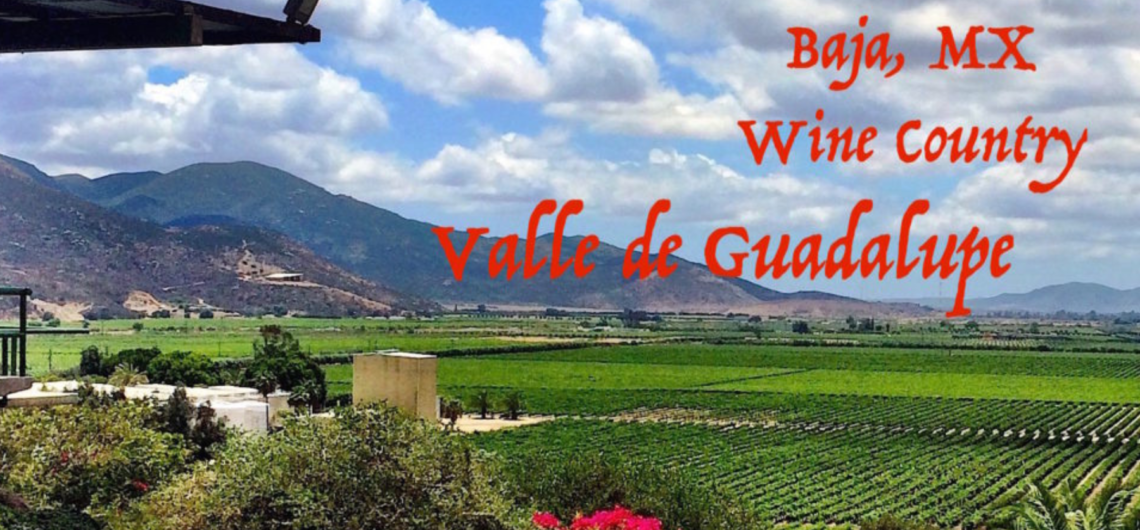
Situated on 3,000 sun-dappled acres 25 miles east of Ensenada is Baja, Mexico's wine country — Valle de Guadalupe. The valley produces 90% of the country's vino. Orchards yield Petite Sirah, Chenin Blanc, and Nebbiolo stellar enough to rival their contemporaries in Europe, making it a popular destination. But, it's not just the grapes attracting visitors. Artisanal olive oil, marmalade, honey, and cheese made at the Baja Wineries are huge crowd pleasers. LA Cetto Winery offers fresh pressed extra virgin olive oil for an inexpensive price. Its light taste and consistency make it perfect for salad dressing. When I was there in October, 2016, a 750ml bottle cost $7. Nearby, is La Casa Doña Lupe, one of the organic Baja wineries. This place has elevated homemade culinary treats to a new level! Doña's been running her vineyard for over 50 years. Recently, her son and daughter have joined Doña to help her run the growing business. Olive trees laden with the green orbs line her driveway. Each November her staff harvest and squeeze the green fruit into Dona's Ajo y Especias — garlic and spices olive oil. I tried to get the recipe out of her, but nada. The bottles fly off the shelf. Rightly so. Another of Dona's specialties is marmalade. Her amazing combinations dance on your tongue – tomato/chili, chipotle/peach, strawberry/chocolate...okay, gotta stop, my mouth's watering. On your way out of the valley you MUST stop at Tienda de Quesos y Vinos Cremeria los Globos. The women who run the shop are ADORBS! They make every kind of cheese imaginable...and give lots of samples. And...wait for it...they sell Chenin Blanc and Cabernet Sauvignon Honey! Talk about a unique tea party. Baja Mexico's Adobe Guadalupe Vineyard & Inn More Like a European Estate 10 Photos to Inspire You to Visit La Paz,
Situated on 3,000 sun-dappled acres 25 miles east of Ensenada is Baja, Mexico’s wine country — Valle de Guadalupe. The valley produces 90% of the country’s vino. Orchards yield Petite Sirah, Chenin Blanc, and Nebbiolo stellar enough to rival their contemporaries in Europe, making it a popular destination. But, it’s not just the grapes attracting